

introduction
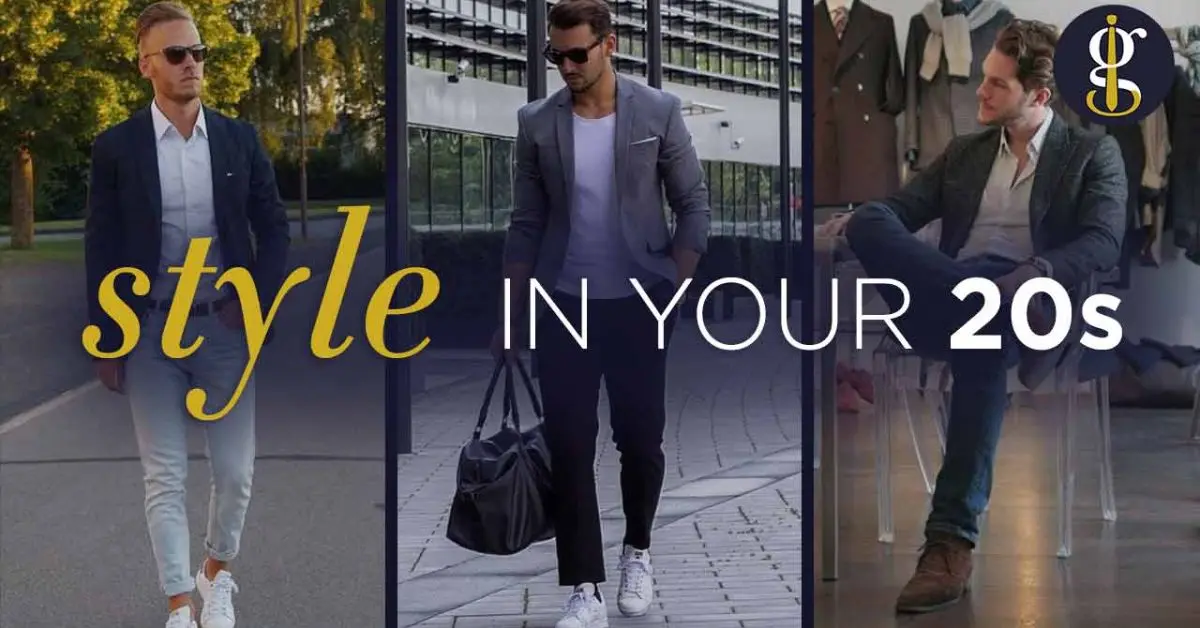
Your 20s can make getting dressed strangely complicated. One day you need an outfit for work or an interview; the next, you’re dressing for dinner, a party, university, travel, or a casual weekend. At the same time, your taste is still changing, so buying an entirely new wardrobe every few months rarely makes sense.
The better approach is to treat your 20s as a style-building decade. Start with clothes that fit your lifestyle and make you feel comfortable, then use colors, accessories, silhouettes, and selected trends to figure out what actually feels like you.
Current menswear guides similarly emphasize essentials, fit, shoes, color, tailoring, and experimentation, while women’s fashion coverage recommends combining wardrobe staples with personal expression rather than following a strict age-based formula.
Build Your Style Around Your Real Lifestyle
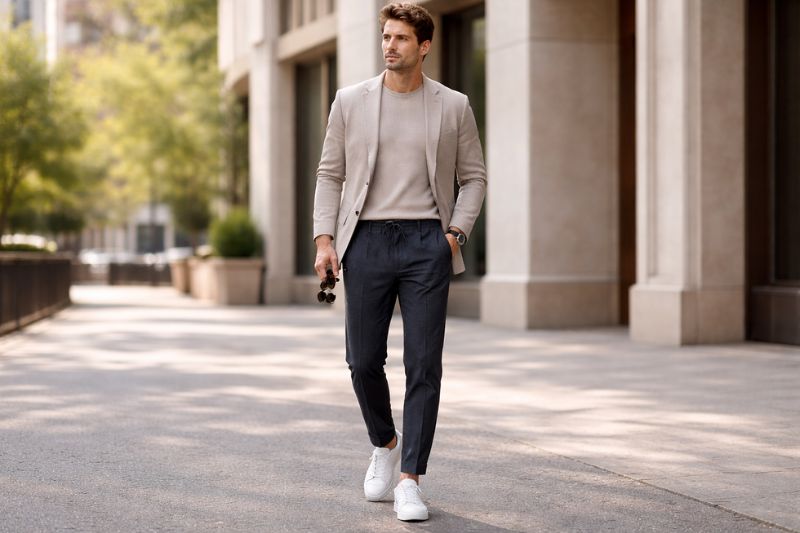
Before buying clothes, look at where you actually spend your time. A wardrobe for a university student, office professional, freelancer, or someone who regularly attends social events will look different.
A practical starting point is to divide your wardrobe into four categories:
Lifestyle Need Useful Clothing Direction
Everyday casual Jeans, chinos, T-shirts, casual shirts, sneakers
Work / professional Trousers, button-down shirts, knitwear, loafers or clean dress shoes
Social / dates Well-fitted trousers or dark denim, elevated tops, smart shoes
Events Tailored pieces, dressier footwear, refined accessories
This prevents a common mistake: buying attractive clothes that rarely get worn.
Rule of thumb: Build around your calendar, not around what happens to be trending on social media.
Start With Versatile Wardrobe Essentials
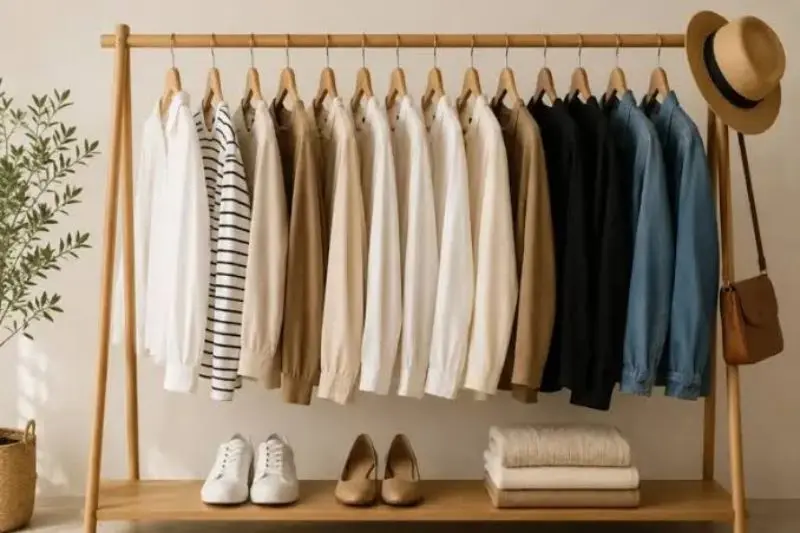
You don’t need dozens of pieces to create good outfits. A smaller wardrobe with interchangeable items can give you significantly more combinations.
Useful foundations
Well-fitting jeans
Neutral T-shirts
Casual button-down shirts
Chinos or versatile trousers
Lightweight jacket or overshirt
Knitwear or sweatshirt
Clean everyday sneakers
One smarter pair of shoes
A versatile outer layer
Simple accessories
The exact pieces should depend on your climate, profession, budget, and personal taste.
For example, someone living in a hot climate may get more value from lightweight cotton and linen than heavy layering pieces, while someone in a cooler climate can put more emphasis on jackets, knitwear, and coats.
Prioritize Fit Before Expensive Brands

One of the easiest ways to improve your appearance is to pay attention to fit and proportion.
An inexpensive outfit can look polished when the clothes fit properly. Conversely, expensive clothing can look awkward when trousers are excessively long, shoulders don’t sit correctly, or shirts are too tight.
Pay attention to:
- Shoulder seams
- Shirt and T-shirt length
- Trouser break
- Waist fit
- Sleeve length
- Overall silhouette
- Proportion between loose and fitted pieces
You don’t necessarily need everything to be slim. Relaxed and oversized clothing can work extremely well when the proportions are deliberate.
Simple proportion principle
If one major piece is oversized, consider keeping another part of the outfit relatively structured.
For example:
Oversized shirt + straight trousers + clean sneakers
can look more intentional than combining several extremely oversized pieces without considering proportion.
Create a Color System
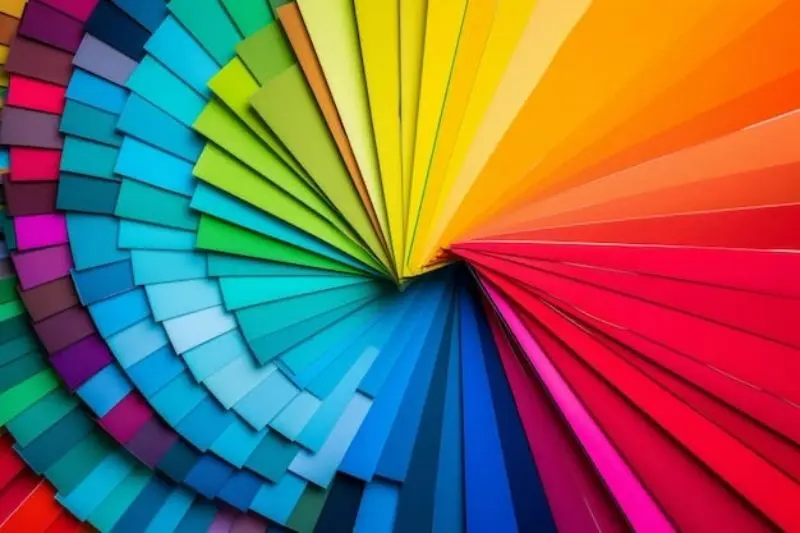
You don’t need to wear only black, white, and beige to have a versatile wardrobe.
Instead, choose a small group of colors that work together.
Easy starting palette
Base colors
- Black
- White
- Navy
- Grey
- Beige
- Brown
Accent colors
- Olive
- Burgundy
- Blue
- Forest green
- Rust
- Soft pink
A simple approach is to make most of your wardrobe neutral and introduce stronger colors through one or two pieces.
For example:
White T-shirt + dark trousers + brown shoes + olive jacket
The outfit has visual interest without requiring complicated styling.
Learn the Difference Between Trends and Personal Style
Following every trend can make your wardrobe expensive and inconsistent.
Instead, use trends as experimentation tools.
Ask three questions before buying a trendy piece:
Would I wear this if it weren’t trending?
Can I create at least three outfits with it?
Does it fit the rest of my wardrobe?
If the answer is yes, the item has a better chance of becoming part of your actual style.
Current fashion coverage also reflects a broader move toward personal style rather than rigid age-based dressing. That means your 20s can include experimentation with silhouettes, accessories, colors, and aesthetics while still maintaining a practical wardrobe.
Experiment With Different Aesthetics
Your 20s are a useful period for discovering what you genuinely like.
You might experiment with:
- Minimalist
- Streetwear
- Smart casual
- Classic
- Preppy
- Sport-inspired
- Workwear
- Relaxed tailoring
- Vintage-inspired
- Modern casual
You don’t have to permanently choose one.
A better question is:
Which elements from different styles actually suit me?
For example, you might prefer classic trousers, minimalist sneakers, vintage jackets, and modern accessories. Your resulting wardrobe doesn’t need a category name—it simply needs to work together.
Build Outfits Around One Strong Piece
A simple styling technique is to choose one item that attracts attention and keep the rest relatively controlled.
Example 1
Statement jacket + plain T-shirt + straight jeans + simple sneakers
Example 2
Wide-leg trousers + fitted knit top + understated shoes
Example 3
Patterned shirt + neutral trousers + minimal accessories
This prevents an outfit from becoming visually overwhelming.
Dress Differently for Different Situations
There isn’t one universal outfit for your 20s.
Casual Day
Try:
T-shirt + jeans + sneakers + lightweight jacket
Simple, comfortable, and easy to adapt.
Smart Casual
Try:
Button-down shirt + tailored trousers + loafers or clean minimalist shoes
This works for dinners, casual professional settings, and many social occasions.
Date Night
Focus on looking intentional rather than overdressed.
Try:
Well-fitting trousers or dark denim + elevated shirt/top + clean footwear + one or two accessories
Interview or Professional Setting
The safest approach depends heavily on the industry, but generally prioritize:
Clean, well-maintained clothing
Appropriate formality
Conservative fit
Minimal distracting accessories
Clean footwear
Research the organization’s dress expectations when possible rather than assuming every workplace follows the same standard.
Don’t Ignore Shoes
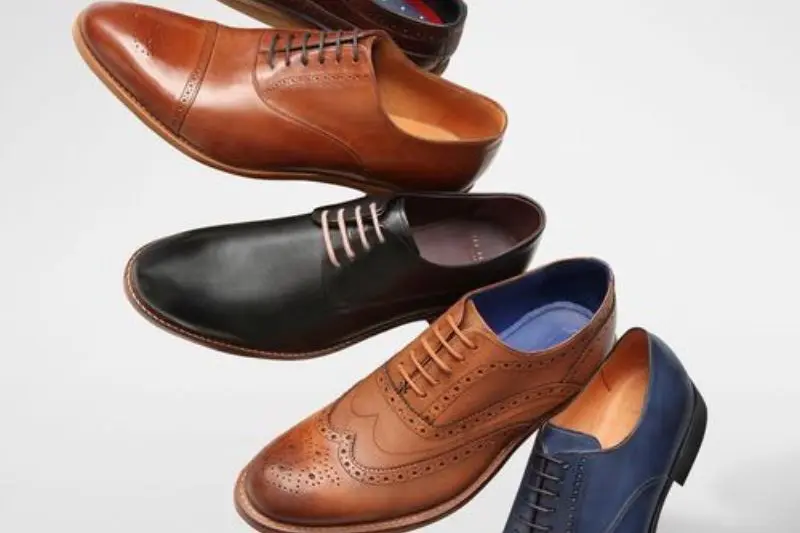
Shoes can change the entire impression of an outfit.
A practical starting rotation could include:
Shoe Type Best Use
Clean sneakers Everyday casual
Loafers Smart casual
Boots Casual / transitional outfits
Dress shoes Formal or professional occasions
Minimal sandals Hot-weather casual settings
You don’t need every category immediately.
Start with the footwear you will actually wear most often.
- Use Accessories to Make Basic Outfits Personal
Accessories can turn a simple outfit into something that feels distinctive.
Consider:
- Watch
- Belt
- Sunglasses
- Simple jewelry
- Cap
- Bag
- Scarf
- Minimal rings
- Small statement accessory
The key is restraint.
If the outfit already contains a bold print, unusual silhouette, or strong color, adding several attention-grabbing accessories can make it feel unnecessarily busy.
Practical Example: One Wardrobe, Multiple Outfits
Imagine you own:
- White T-shirt
- Black T-shirt
- Blue jeans
- Black trousers
- Beige chinos
- Overshirt
- Casual button-down
- Clean sneakers
- Loafers
- Lightweight jacket
You can create several different looks without buying separate outfits for every occasion.
Casual:
White T-shirt + blue jeans + sneakers
Smart casual:
Button-down + beige chinos + loafers
Evening:
Black T-shirt + black trousers + jacket + clean shoes
Relaxed weekend:
Overshirt + T-shirt + jeans + sneakers
The point isn’t owning the largest wardrobe. It’s making your existing pieces work together.
Benefits of Building a Flexible Style
A deliberate wardrobe can offer several practical advantages.
Less Decision Fatigue
When your clothes coordinate, getting dressed becomes easier.
Better Cost Per Wear
Versatile pieces can be used repeatedly across different outfits.
More Consistency
You begin developing recognizable preferences in color, fit, and silhouette.
Easier Shopping
Once you know your wardrobe gaps, you’re less likely to buy random pieces.
More Confidence
Clothing that fits your lifestyle and feels authentic can make social and professional situations more comfortable.
Common Style Mistakes to Avoid
Buying Clothes Without an Outfit in Mind
A piece can look great individually but fail to work with anything you own.
Better approach: Before buying, identify at least three outfits you could create with it.
Copying Someone’s Entire Style
An outfit that looks excellent on another person may not suit your body proportions, lifestyle, climate, or preferences.
Better approach: Borrow individual ideas instead of copying an entire wardrobe.
Confusing Expensive With Stylish
Price does not automatically equal good styling.
Fit, condition, coordination, and context often matter more.
Buying Too Many Trends
Trends change faster than your wardrobe needs to.
Better approach: Keep your foundation relatively stable and rotate smaller trend-focused pieces.
Ignoring Maintenance
Even good clothing can look poor when it is wrinkled, stained, damaged, or badly maintained.
Basic care—washing correctly, storing clothes properly, repairing minor damage, and keeping shoes clean—can significantly extend a wardrobe’s useful life.
Information Gain: A Better Way to Think About Fashion in Your 20s
Instead of asking:
“What should people in their 20s wear?”
ask:
“What clothes help me express my personality while working for the life I actually live?”
That shift removes the pressure to follow an artificial age-based dress code.
A strong wardrobe should solve three problems simultaneously:
Identity + Function + Flexibility
Identity: Does it feel like you?
Function: Does it work for your real activities?
Flexibility: Can you combine it with other pieces?
If a clothing item satisfies all three, it has a much stronger chance of earning a permanent place in your wardrobe.
Common Fashion Mistakes in Your 20s
Dressing for Your Age Instead of Your Life
There is no single uniform way to dress in your 20s. Your wardrobe should reflect your work, social life, climate, comfort, personality, and budget.
Better approach: Use age as context, not as a strict dress code.
Buying Too Much at Once
A large wardrobe doesn’t automatically create better style. Buying dozens of pieces before understanding your preferences often leaves you with clothes you rarely wear.
Better approach: Build gradually and identify genuine wardrobe gaps.
Choosing Appearance Over Comfort
If an outfit looks good but makes you uncomfortable, you are unlikely to wear it confidently.
Look for the middle ground between:
Comfort + Fit + Personal Style
Wearing Trends Without Considering Proportion
A trendy silhouette may work beautifully when balanced with the rest of the outfit but feel awkward when every piece follows the same exaggerated shape.
Experiment with one major trend at a time before rebuilding your wardrobe around it.
Ignoring Clothing Maintenance
Style isn’t only about what you buy.
Clean shoes, wrinkle-free clothing, functional zippers, properly stored garments, and timely repairs can make ordinary pieces look significantly better.
Myths vs. Reality
Myth Reality
You need an expensive wardrobe to look stylish. Fit, coordination, condition, and personal taste often matter more than price.
People in their 20s should follow one specific aesthetic. Your style can change and combine different influences.
Every outfit needs to follow current trends. A strong wardrobe usually combines reliable staples with selective trends.
Oversized clothes always look sloppy. Oversized pieces can work when proportions are intentional.
Basic clothes are boring. Simple pieces can become highly versatile when combined thoughtfully.
You need a huge wardrobe to have lots of outfits. A coordinated capsule of versatile pieces can create many combinations.
Dressing well means dressing formally. Good style can be casual, relaxed, athletic, classic, creative, or formal.
FAQs
What should I wear in my 20s?
Wear clothing that fits your lifestyle, body, climate, and personality. Build around versatile essentials such as well-fitting trousers or jeans, quality tops, appropriate footwear, and useful layers, then add colors, accessories, and trends that reflect your individual style.
How can I find my personal style in my 20s?
Experiment deliberately instead of trying to identify one perfect aesthetic immediately. Save outfits you genuinely like, identify recurring colors and silhouettes, test different styles, and pay attention to what you actually enjoy wearing.
How many clothes should someone in their 20s own?
There is no ideal number. A better goal is to own enough versatile clothing for your lifestyle while avoiding pieces that rarely get worn. Start with essential items and expand when you identify a genuine need.
Should I follow fashion trends in my 20s?
Yes, if you enjoy them, but you don’t need to follow every trend. Use trends selectively alongside timeless or personally reliable pieces. This gives your wardrobe room to evolve without requiring constant replacement.
How can I look stylish without spending a lot?
Prioritize fit, versatile colors, clean footwear, good clothing care, and pieces that work across multiple outfits. Thrift stores, sales, secondhand platforms, and affordable basics can also help you build a useful wardrobe without relying on expensive brands.
Actionable Conclusion
Fashion in your 20s isn’t about finding a single aesthetic and following it forever. It’s about learning what works for you.
Start with clothes you can wear frequently, prioritize fit and versatility, and gradually experiment with colors, silhouettes, accessories, and trends. Pay attention to which outfits make you feel comfortable and confident rather than simply copying what looks popular online.
A useful test for every future purchase is simple:
Does it fit well? Does it work with what I already own? Will I actually wear it?
If the answer to all three is yes, you’re probably building your wardrobe in the right direction.
