

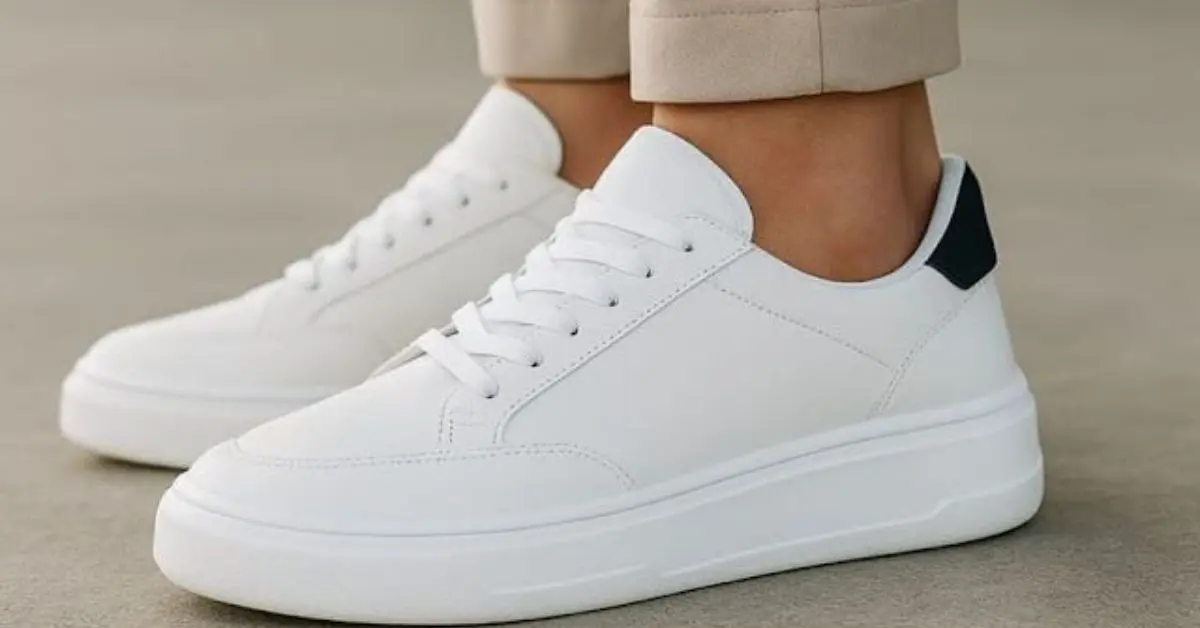
Introduction
Finding everyday shoes that match every outfit can make getting dressed much easier. Instead of owning dozens of pairs that only work with one specific look, you can invest in versatile footwear that complements jeans, dresses, trousers, skirts, shorts, and even business casual clothing. The right shoes not only save time but also help create a polished appearance every day.
Many people struggle to choose shoes because fashion trends change constantly. However, timeless designs remain stylish year after year. Neutral colors, comfortable materials, and classic silhouettes often become the foundation of a practical wardrobe. Whether you’re heading to work, running errands, meeting friends, or traveling, versatile shoes help you stay comfortable without sacrificing style.
Another benefit of choosing everyday footwear wisely is saving money. Instead of buying multiple trendy pairs that quickly go out of fashion, you can build a collection of reliable shoes that suit nearly every occasion. This approach also reduces wardrobe clutter and makes packing for trips much simpler.
In this complete guide, you’ll learn how to choose everyday shoes that match every outfit, understand why they matter, discover the best shoe styles for different wardrobes, avoid common buying mistakes, and gain practical styling tips that will help you look confident every day.
What is Everyday Shoes That Match Every Outfit?
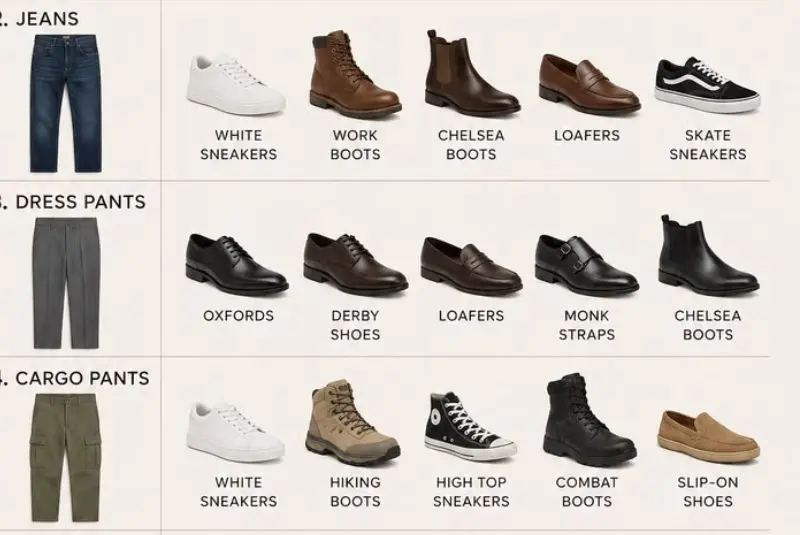
Everyday shoes that match every outfit are versatile footwear designed to complement a wide variety of clothing styles. Instead of being limited to one occasion or fashion trend, these shoes easily pair with casual, smart casual, and even semi-formal outfits.
Common characteristics include:
- Neutral colors
- Timeless designs
- Comfortable construction
- High-quality materials
- Easy maintenance
- Long-lasting durability
Examples include:
- White sneakers
- Black leather sneakers
- Loafers
- Ballet flats
- Chelsea boots
- Minimalist ankle boots
- Clean canvas shoes
- Classic low-profile trainers
The goal is to maximize outfit combinations while minimizing unnecessary purchases.
Why is Everyday Shoes That Match Every Outfit Important?
Versatile footwear offers more than convenience. It improves your wardrobe, saves money, and makes daily decisions easier.
Here are the biggest reasons why choosing versatile shoes matters.
Saves Time Every Morning
You won’t spend extra time deciding which shoes work with your outfit because your favorite pair matches almost everything.
Creates a Cohesive Wardrobe
Neutral shoes make your entire wardrobe look more coordinated.
Reduces Shopping Costs
Buying fewer but better-quality shoes often costs less over time than constantly replacing trendy styles.
Improves Comfort
Comfortable shoes encourage better posture and reduce foot fatigue during long days.
Simplifies Travel
Packing becomes much easier when one or two pairs work with multiple outfits.
Detailed Step-by-Step Guide
Step 1: Choose Neutral Colors
Neutral colors are the easiest to style.
The most versatile choices include:
- White
- Black
- Beige
- Brown
- Grey
- Tan
- Navy
These shades blend naturally with almost every clothing color.
Step 2: Prioritize Comfort
Even the most fashionable shoes become useless if they hurt your feet.
Look for:
- Cushioned insoles
- Arch support
- Breathable lining
- Flexible soles
- Lightweight construction
Comfort ensures you’ll actually wear your shoes regularly.
Step 3: Select Timeless Designs
Fashion trends come and go.
Classic styles remain attractive for years.
Great options include:
White Leather Sneakers
Perfect with:
- Jeans
- Dresses
- Shorts
- Joggers
- Chinos
Black Leather Sneakers
Excellent for:
- Office casual
- Weekend wear
- Airport outfits
- Travel
Loafers
Ideal for:
- Business casual
- Smart casual
- Office attire
- Evening dinners
Ballet Flats
These pair beautifully with:
- Skirts
- Dresses
- Cropped trousers
- Casual denim
Chelsea Boots
Chelsea boots transition easily from autumn to spring and work with almost every casual wardrobe.
Step 4: Match Shoes with Your Lifestyle
Before buying, think about how you’ll actually use them.
Ask yourself:
- Do I walk a lot?
- Do I work in an office?
- Do I travel frequently?
- Do I attend casual events?
- Do I need waterproof shoes?
Your lifestyle should influence your final decision.
Step 5: Invest in Quality Materials
Better materials often last much longer.
Popular options include:
- Genuine leather
- Suede
- Premium canvas
- High-quality knit
- Durable synthetic leather
Quality shoes may cost more initially but often provide better value.
Step 6: Keep Shoes Clean
Even premium shoes lose their appeal if they’re dirty.
Basic maintenance includes:
- Wipe after each wear.
- Store properly.
- Use shoe trees for leather.
- Clean white soles regularly.
- Replace worn laces.
- Protect suede with spray.
Simple care dramatically extends shoe life.
Step 7: Build a Small Versatile Collection
Instead of owning twenty average pairs, build a practical collection.
Consider including:
- White sneakers
- Black sneakers
- Brown loafers
- Chelsea boots
- Comfortable walking shoes
This combination covers nearly every everyday situation.
Step 8: Coordinate Shoes with Accessories
Matching doesn’t mean identical.
Instead, coordinate shoes with:
- Belts
- Bags
- Watches
- Jackets
Balanced colors create a polished appearance.
Benefits of Everyday Shoes That Match Every Outfit
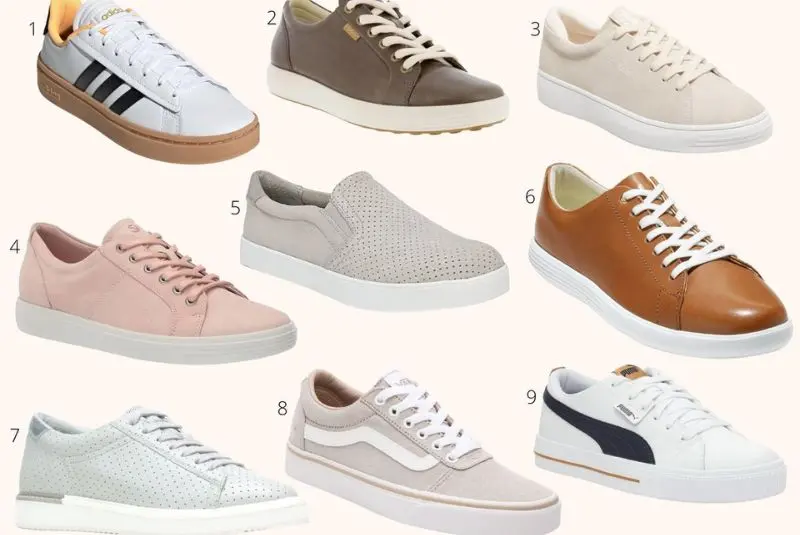
Choosing versatile footwear offers numerous advantages.
- Saves money over time
- Reduces wardrobe clutter
- Makes dressing faster
- Improves outfit coordination
- Suitable for multiple occasions
- Comfortable for daily wear
- Easier travel packing
- Less shopping stress
- Timeless appearance
- Higher cost-per-wear value
- Encourages minimalist wardrobes
- Reduces impulse purchases
- Offers year-round usability
- Simplifies fashion decisions
- Supports sustainable shopping habits
Disadvantages / Risks
Although versatile shoes are highly practical, there are a few drawbacks.
- Premium quality shoes may have a higher upfront cost.
- Neutral styles may seem less exciting than trendy designs.
- White shoes require frequent cleaning.
- Leather needs regular maintenance.
- One pair cannot replace specialized athletic footwear.
- Cheap versions often wear out quickly.
- Fashion trends may temporarily favor bold designs.
- Poor fit can cause long-term discomfort.
Fortunately, choosing quality footwear minimizes most of these issues.
Common Mistakes to Avoid
Many buyers make avoidable mistakes when purchasing everyday shoes.
Buying Only Based on Appearance
Looks matter, but comfort is equally important.
Ignoring Foot Shape
Everyone’s feet are different.
Always choose shoes that fit properly.
Choosing Trendy Colors
Bright colors may become difficult to style.
Neutral shades remain versatile.
Purchasing Cheap Materials
Low-quality shoes often lose shape quickly.
Invest in durability whenever possible.
Buying Too Many Similar Shoes
Instead of owning five nearly identical pairs, diversify your collection.
Forgetting Maintenance
Even expensive shoes require regular care.
Cleaning and proper storage extend their lifespan.
Wearing One Pair Every Day
Rotating between shoes helps them last longer and stay fresher.
FAQa
What color shoes go with almost every outfit?
White, black, beige, tan, brown, and grey are the most versatile colors. They complement nearly every wardrobe and work throughout the year.
Are white sneakers still fashionable?
Yes. Clean white sneakers remain one of the most timeless footwear choices. They pair well with jeans, dresses, shorts, trousers, and casual suits.
How many everyday shoes should I own?
Most people only need four to six versatile pairs for daily use. A carefully chosen collection provides enough variety without creating unnecessary clutter.
Can one pair of shoes work for both work and weekends?
Yes. Black leather sneakers, loafers, and minimalist leather shoes often transition easily between office environments and casual outings.
Should everyday shoes be expensive?
Not necessarily.
Quality matters more than price. Well-made shoes often last longer, making them a better investment even if they cost slightly more initially.
How often should everyday shoes be replaced?
Replacement depends on usage.
High-quality shoes can last several years with proper care, while heavily worn shoes may need replacement sooner if the sole, cushioning, or upper becomes damaged.
Expert Tips & Bonus Points
Fashion professionals often follow simple principles when choosing everyday footwear.
- Buy quality over quantity.
- Prioritize fit before appearance.
- Choose neutral colors first.
- Rotate your shoes regularly.
- Replace insoles when needed.
- Keep shoes clean every week.
- Store leather shoes using shoe trees.
- Waterproof suede before wearing.
- Match shoe style to your lifestyle.
- Build your wardrobe around timeless pieces rather than seasonal trends.
- Consider cost-per-wear instead of purchase price.
- Invest in classic designs that remain fashionable for years.
- Keep one pair specifically for rainy weather.
- Use protective sprays to extend material life.
- Replace worn-out soles before replacing the entire shoe.
These habits help your footwear remain comfortable, attractive, and durable for years.
Conclusion
Choosing everyday shoes that match every outfit is one of the smartest investments you can make for your wardrobe. Rather than filling your closet with trendy footwear that only works occasionally, versatile shoes simplify your daily routine, reduce unnecessary spending, and help you look polished with minimal effort. Timeless styles such as white sneakers, loafers, ballet flats, and Chelsea boots have remained popular because they effortlessly complement a wide variety of clothing while providing lasting comfort and practicality.
The key is to focus on quality, comfort, and versatility instead of chasing every new fashion trend. Neutral colors, durable materials, and classic designs ensure your footwear remains stylish season after season. Regular maintenance, proper storage, and rotating your shoes also extend their lifespan, giving you greater value from every purchase.
Whether you’re building your first capsule wardrobe or upgrading your current collection, selecting versatile everyday footwear makes dressing easier and more enjoyable. By following the tips and strategies outlined in this guide, you can confidently choose shoes that fit your lifestyle, match countless outfits, and support both comfort and personal style. Investing in reliable everyday shoes is not just a fashion decision—it’s a practical step toward a more organized, timeless, and effortless wardrobe.
